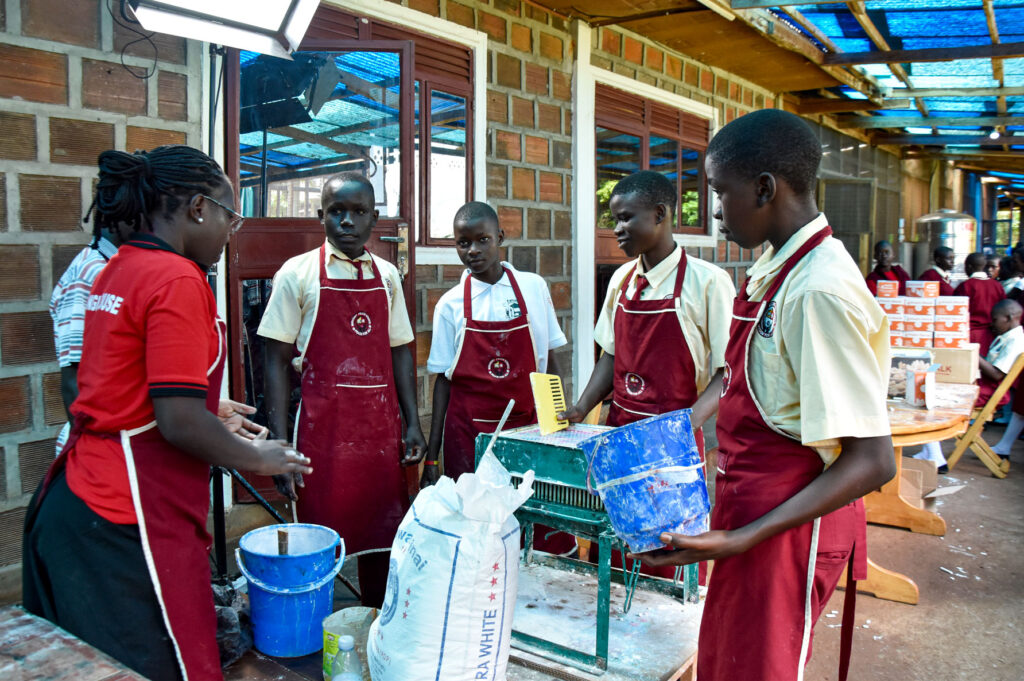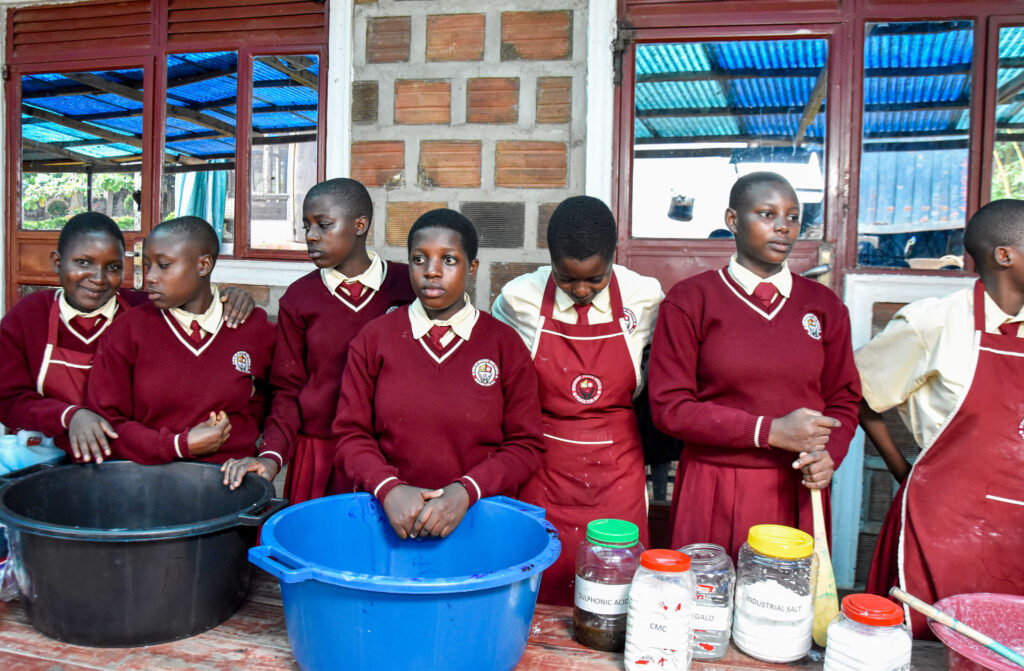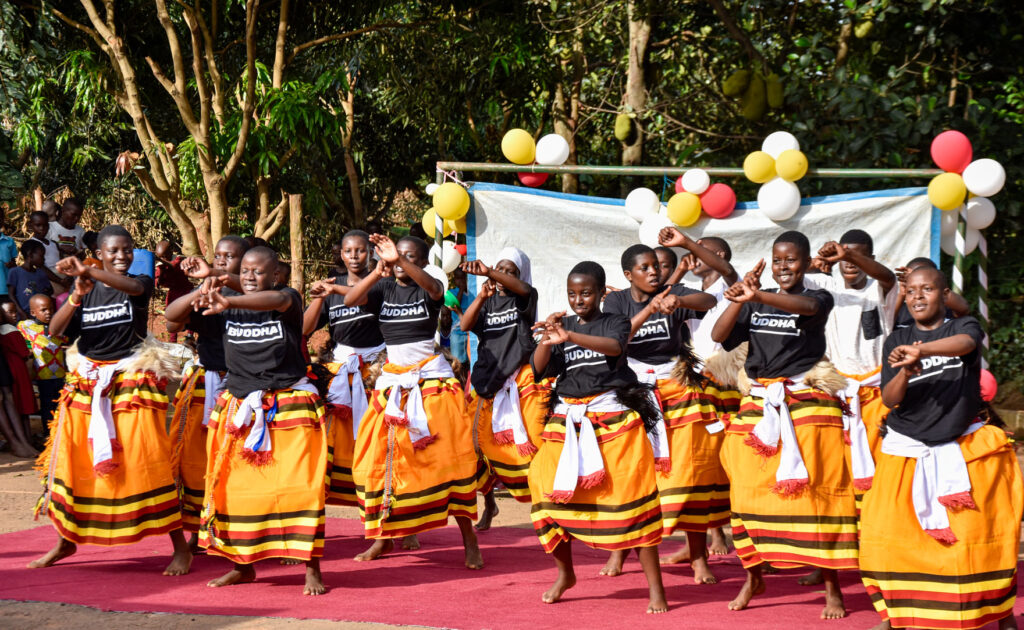
The Vocational Skills Program at African Buddhist High School is designed to equip students with practical competencies that prepare them for life beyond the classroom. The program focuses on developing hands-on skills across a range of training areas, enabling learners to become self-reliant, innovative, and capable of creating their own employment opportunities.
Students are introduced to vocational training from the lower secondary level, where they engage in structured, skills-based learning. During this time, they are exposed to different disciplines and are later guided to specialize in areas that match their interests, strengths, and career aspirations.
The core objective of the program is to ensure that students acquire essential, marketable skills they can apply independently and confidently. By the time they complete their training, students are expected to demonstrate competence, creativity, and a strong work ethic that supports both personal development and community growth.
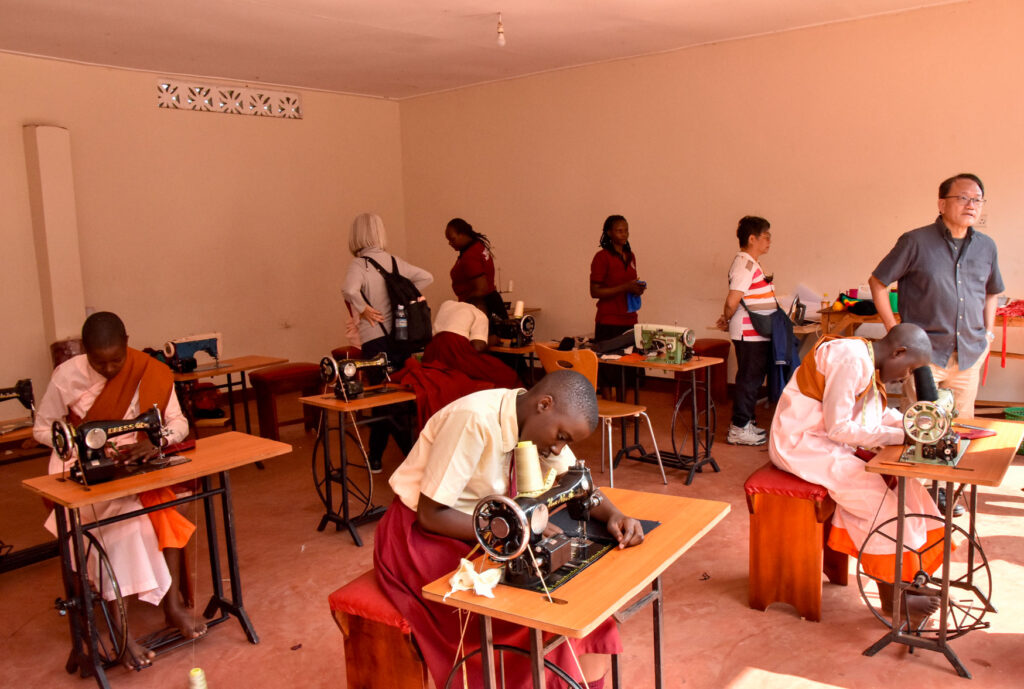
The Vocational Skills Program offers a range of practical training areas, organized to provide students with diverse and relevant skill sets. These include:
- Art and Craft
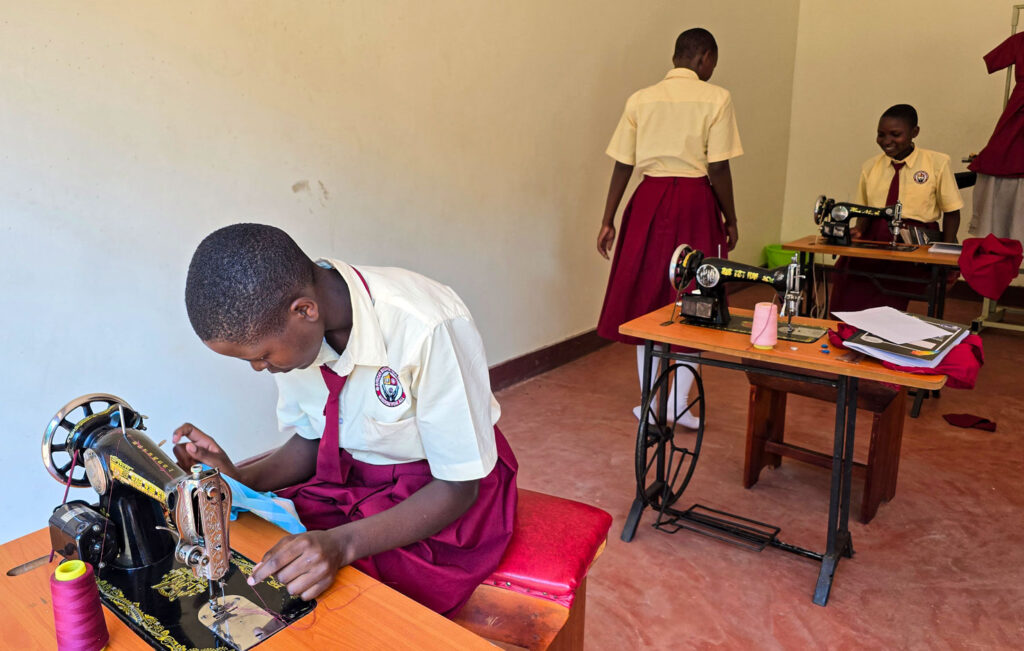
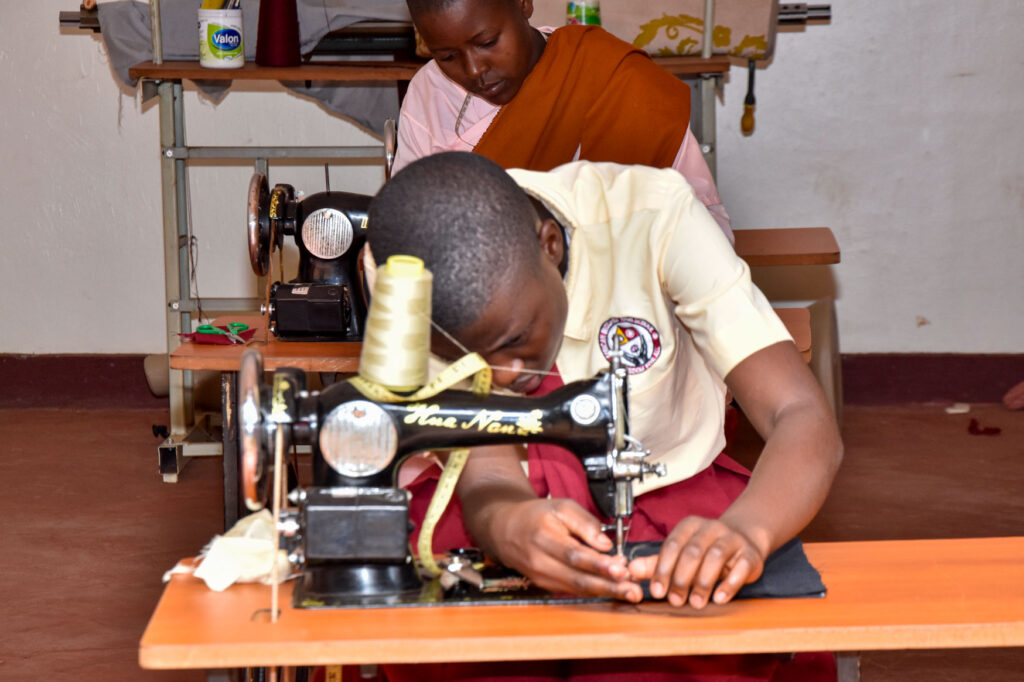
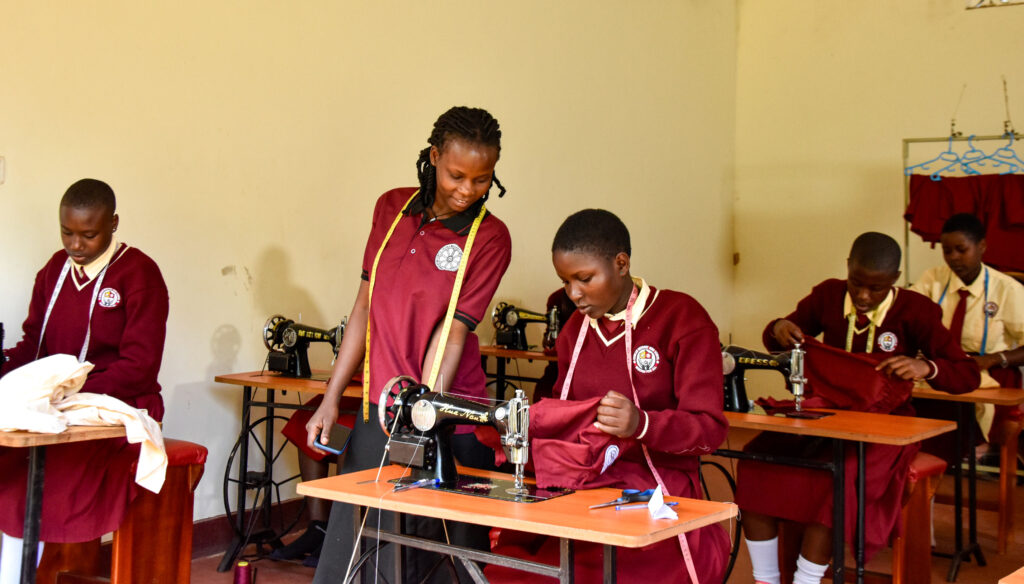
- Tailoring
- Farming
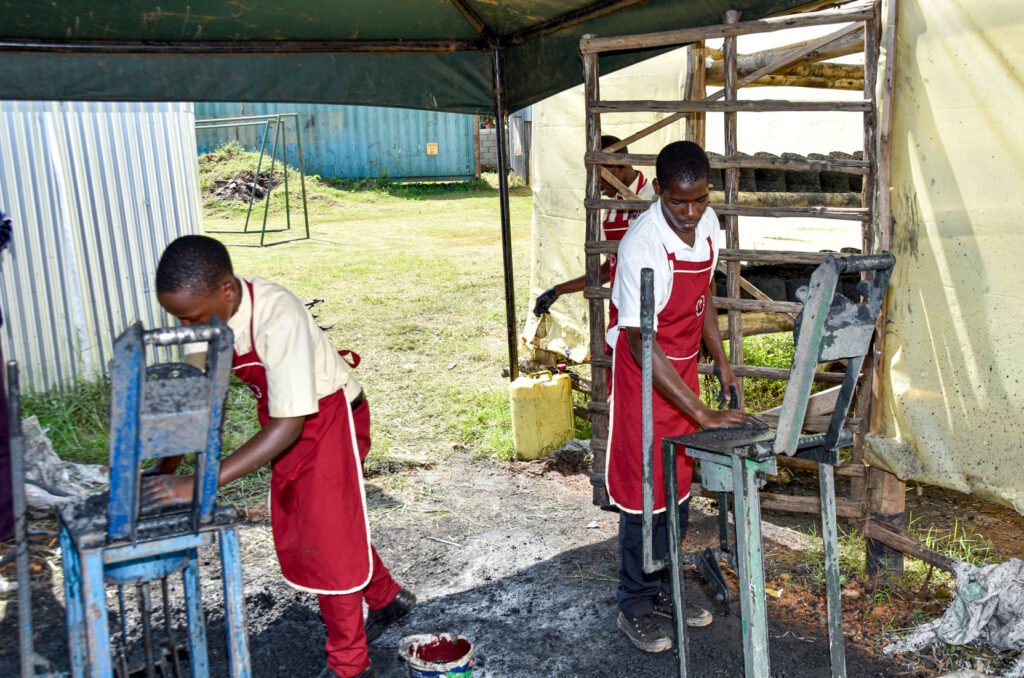
- Carpentry
- Fashion and Design
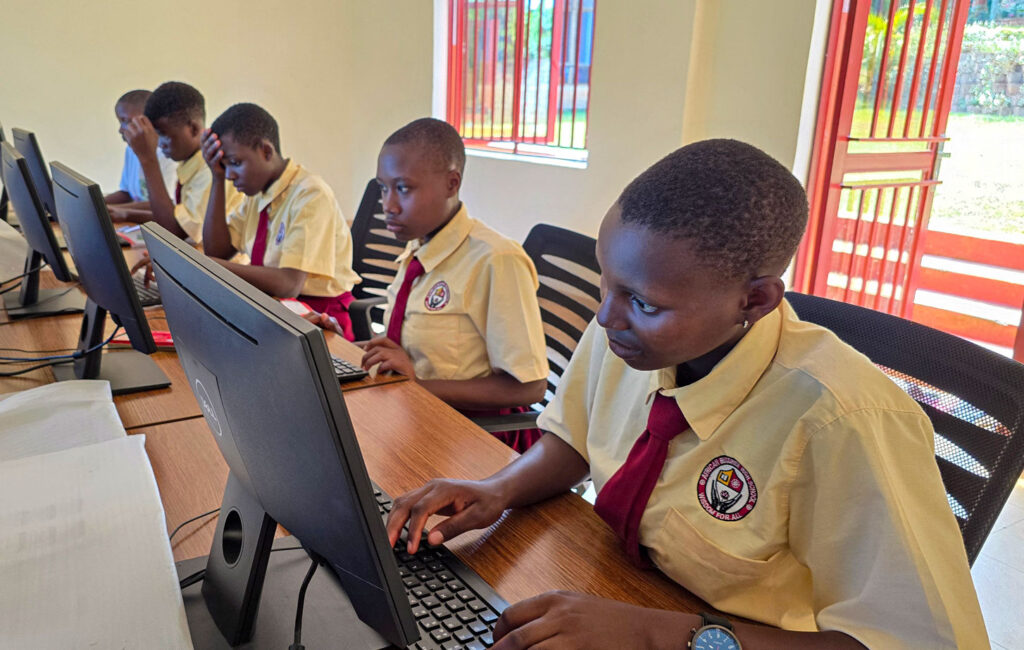
- Computer Training
Each area is designed to combine creativity with practical application, ensuring that students gain both technical competence and problem-solving ability.
Complementary Life Skills Development
In addition to vocational training, the school integrates a set of activities aimed at strengthening students’ everyday capabilities and personal development. These include:
- Life skills training and practical application
- Communication, language, and social skills development
- Job readiness and workplace skills training
- Self-management and positive behavior development
- Participation in volunteer and community activities
- Regular exercise for health and physical fitness
- Games and sports for teamwork and discipline
Teaching Approach
All training and activities are delivered using the CIRCLE teaching approach, which emphasizes active participation, continuous practice, and holistic development. This method supports students in building confidence, independence, and the ability to apply their skills effectively in real-life situations.